
Improving painting skills: the journey from simple lines to masterpieces
Drawing is not only a form of creative expression, but also brings many psychological and cognitive benefits. Through drawing, people can release emotions, relieve stress, and find a sense of inner peace. Art creation helps individuals focus on the present, thereby cultivating concentration and patience, especially in the handling of complex details, which can significantly improve the ability to express oneself. Drawing can also stimulate imagination and promote a more open and creative mind.
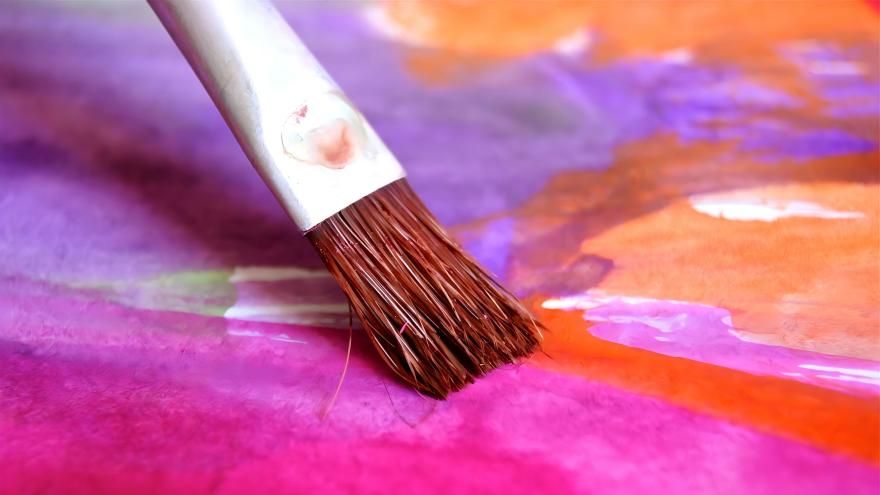
There are many benefits to learning to draw. Drawing can also improve hand-eye coordination and detailed observation. Whether it is sketching or oil painting, the painting process requires careful observation of shapes, proportions, and light and shadow, which helps to develop observation skills and spatial sense. Long-term drawing practice can also enhance memory and improve problem-solving skills, making people perform better in other areas of work and study.
 proko
proko
The Drawing Basics section of the Proko website provides a comprehensive basic drawing tutorial designed to help beginners build a solid foundation in art. This section covers key concepts such as human structure, light and shadow, proportion, perspective, etc., with detailed demonstrations and explanations, which are easy to understand and step-by-step. Whether learning to sketch, sketch, or learn more about anatomy, Proko's basic section provides a wealth of information and techniques to help users gradually master the core skills of painting.
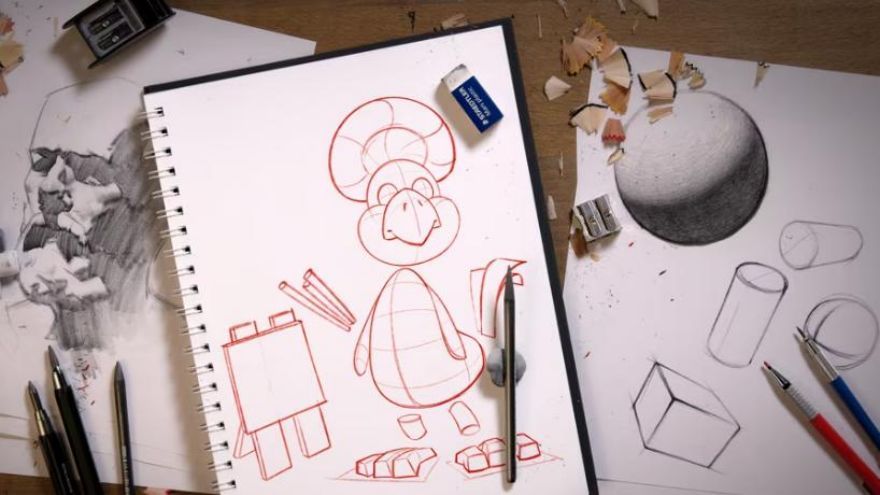
In addition, Proko's basic painting section also makes the learning process more vivid and interesting through interactive courses and rich learning resources. The combination of video tutorials, practice examples and community feedback helps learners quickly find their weaknesses and continuously improve their skills. The overall course content is well-structured and suitable for students of different levels, helping users every step from entry to mastering the art of painting.
 Recommended for
- Painting beginners
- Students or design professionals
- Art lovers: have a strong interest in painting, but lack systematic training
 rapidfireart
Learn How To Draw A Face in 8 Easy Steps: Beginners on the RapidFireArt website provides easy-to-follow face drawing tutorials that are perfect for beginners. The course provides detailed instructions in eight steps, starting with the basic outline of the face and adding features, shadows, and details, with clear explanations and demonstrations at each step. Users can gradually master the proportions and symmetry of the face and how to accurately position key parts such as the eyes, nose, and mouth.
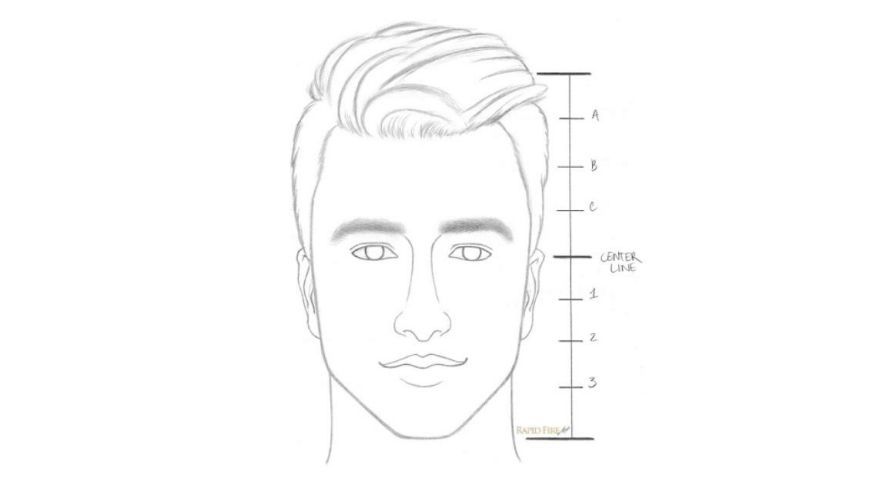
This section emphasizes a step-by-step approach, making it easy for learners to follow and avoid common drawing mistakes. With easy-to-follow visual references and step-by-step instructions, users can master the basic techniques of drawing realistic faces in a short period of time. The tutorial is especially suitable for beginners who want to improve their face drawing skills through simple methods, laying a solid foundation for their further drawing practice.
Recommended for
- Sketching enthusiasts: those who are interested in sketching.
- Those who want to improve their figure drawing skills.
- Novice illustrators: those who need to improve their facial drawing skills.
 udemy
udemy
The Anatomy for Figure Drawing: Mastering the Human Figure section of the Udemy website focuses on helping learners master human anatomy to improve the accuracy and expressiveness of figure drawing. The course explains in depth the key anatomical knowledge of the human body, such as the skeleton, muscle structure, dynamic posture, etc., so that students can understand the proportions and interactions of various parts of the body. Through detailed decomposition and demonstration, learners can better understand how to present the movements and postures of figures in drawings.
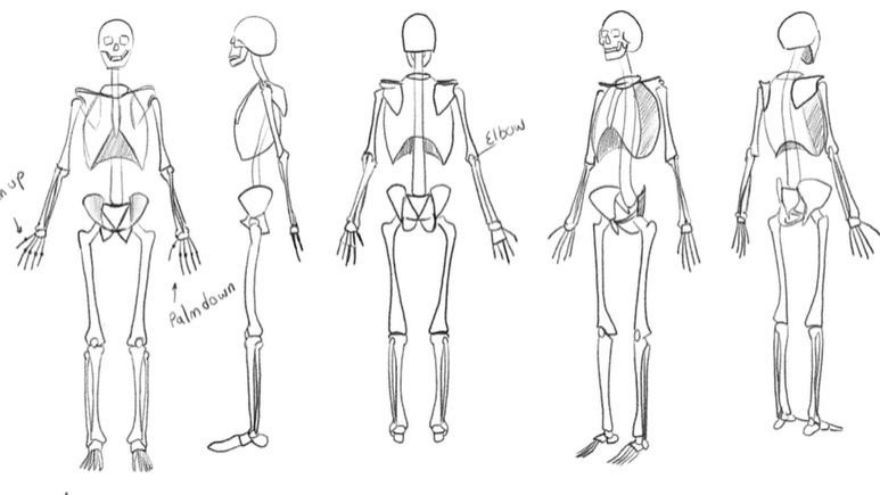
This course not only focuses on the scientific nature of anatomy, but also emphasizes artistic expression, helping students to maintain creativity and personality when drawing realistic figures. Through a large number of practical drawing exercises and step-by-step guidance, students can start from the perspective of anatomy and gradually improve their figure drawing skills. The course is suitable for beginners and artists with a certain foundation, helping them to reach a more professional level in figure drawing.
Recommended for
- Professional artists or advanced painters
- Art teachers: want to strengthen their teaching ability in anatomy.
- Illustrators: Amateur illustrators who want to more accurately express the dynamics, postures and structures of the human body in figure illustrations.