Three of the best 3D animation sites
Three-dimensional (3D) animated websites offer a captivating and immersive user experience, enhancing engagement and retention. They enable dynamic storytelling, effectively conveying complex information and concepts. Interactivity in 3D animations can improve user comprehension and interaction, leading to more effective communication.

Such websites often stand out, creating a memorable brand image. Enhanced realism and depth contribute to a sense of authenticity, boosting credibility. Additionally, 3D animations can facilitate innovative navigation and user interfaces, making interactions more intuitive. Overall, 3D animated websites elevate visual appeal, user engagement, information delivery, and brand perception, resulting in a more impactful online presence.
 Coursera
The "3D Modelling with RhinoScript" section on Coursera offers an in-depth and hands-on exploration of the powerful synergy between 3D modeling and scripting using the Rhino software. This comprehensive course delves into the world of parametric design, enabling students to create intricate and customizable 3D models through the manipulation of geometric algorithms. Participants are guided through the process of creating complex shapes, structures, and patterns, while simultaneously learning to harness the potential of RhinoScript to automate tasks and enhance design efficiency.
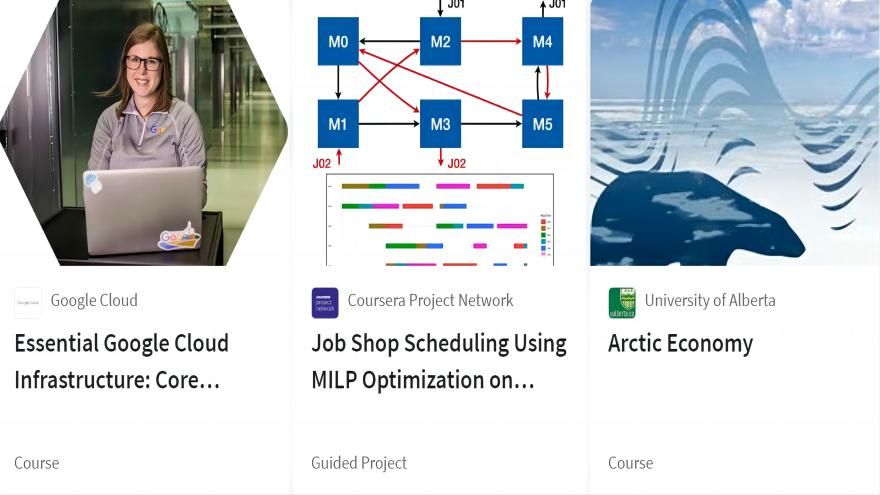
In this section, learners are introduced to the fundamental concepts of scripting and its application in the context of 3D modeling. The course curriculum covers a wide range of topics, from the basics of scripting syntax to advanced techniques for creating parametric models that adapt to different scenarios. With a strong emphasis on practicality, students gain hands-on experience by working on real-world projects and exercises, honing their skills in both 3D modeling and scripting. By the end of the course, participants emerge with a robust understanding of the symbiotic relationship between 3D modeling and scripting, equipped with the knowledge and tools to innovate and excel in various design disciplines. The "3D Modelling with RhinoScript" section is ideal for individuals seeking to expand their horizons in design, architecture, engineering, and related fields. Whether aiming to create intricate structures, generate complex geometries, or automate repetitive tasks, this course empowers learners with a versatile skillset that fosters creativity and efficiency. With a dynamic blend of theoretical insights and practical application, students are poised to become proficient in leveraging RhinoScript to push the boundaries of 3D modeling and design possibilities.
 Recommended for
- Aspiring Design Innovators: The "3D Modelling with RhinoScript" board on Coursera is tailor-made for individuals aspiring to revolutionize the world of design.
- Professionals Seeking Efficiency: Are you a design professional looking to supercharge your efficiency and elevate your projects to new heights? The "3D Modelling with RhinoScript" board on Coursera offers a unique opportunity to blend your design expertise with the power of scripting.
 Coursera
The Art-for-Games section on the Coursera website offers a captivating and immersive journey into the world of digital artistry and its application in the realm of gaming. With a curated selection of cutting-edge courses, this section provides aspiring artists and game enthusiasts with a unique opportunity to master the art of creating visually stunning and captivating game environments, characters, and assets.
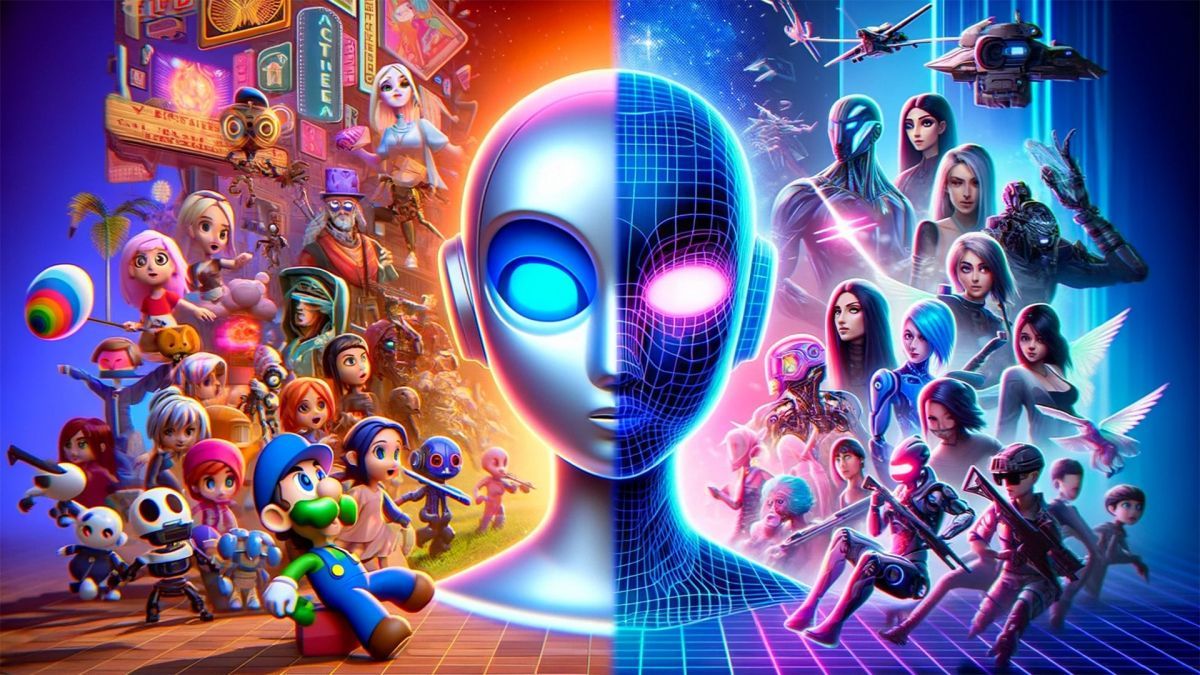
Step into a realm where creativity knows no bounds as you explore courses like "Digital Painting for Game Environments" and "Character Design and Animation in Gaming." These meticulously crafted courses, led by industry experts and renowned artists, delve deep into the intricacies of digital art techniques, helping you harness the power of software tools to bring your imaginative concepts to life. Through hands-on projects, you'll learn to craft breathtaking landscapes, design iconic characters, and develop an understanding of visual storytelling that's integral to the gaming experience. Immerse yourself in the dynamic fusion of art and technology, where you'll gain insights into real-time rendering, 3D modeling, and the technical aspects of game design. Whether you're a novice looking to embark on a creative journey or a seasoned artist aiming to specialize in the gaming industry, the Art-for-Games section on Coursera promises a comprehensive learning experience that empowers you to shape the virtual worlds of tomorrow with your artistic prowess. Embark on this exciting adventure and unleash your creativity in the ever-evolving realm of game artistry.
Recommended for
- Aspiring Game Artists: Are you passionate about video games and eager to contribute your artistic talents to this dynamic industry? Dive into the Art-for-Games section on Coursera and unleash your creative potential.
- Experienced Game Developers: Looking to elevate your game design skills to the next level? The Art-for-Games section on Coursera offers a range of advanced courses tailored to seasoned professionals like you.
 Coursera
The "Sensors and VR" section on Coursera covers advanced concepts and techniques related to 3D graphics, sensor integration, and virtual reality (VR) as applied to Android app development. The section may explore how to leverage Android's hardware and software capabilities to create immersive and interactive 3D experiences. This section will delve into the integration of various sensors on Android devices, such as accelerometers, gyroscopes, magnetometers, and more.
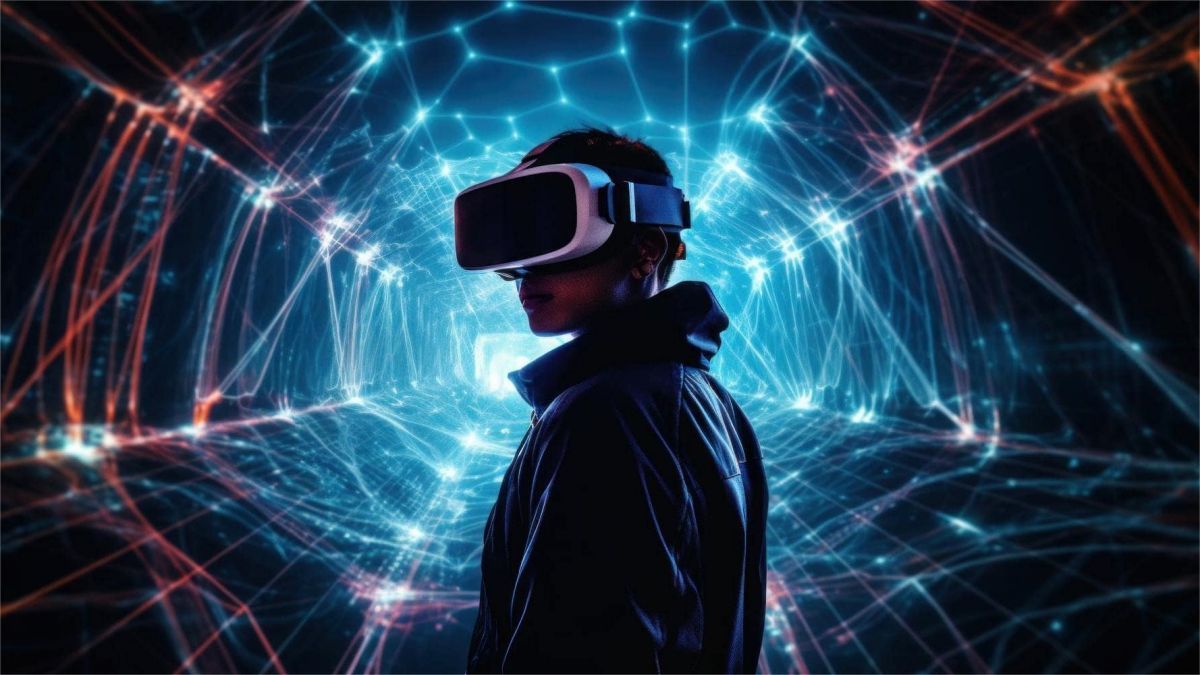
Students can learn how to access sensor data, interpret it, and use it to enhance the realism and interactivity of 3D graphics and VR applications. This section can cover advanced techniques for rendering 3D graphics in Android, including topics such as shading, lighting, and texture mapping. Students can explore OpenGL ES or other graphics APIs to create visually stunning and responsive 3D scenes. In a VR environment, this section guides learners through the basics of VR technology, including head tracking, stereoscopic rendering, and creating a sense of presence. Practical examples demonstrate how to build VR applications that work with popular VR headsets compatible with Android devices. As 3D graphics and VR apps can be resource-intensive, this section delves into how to optimise the performance of your Android device. This may include a discussion of frame rates, memory management, and best practices for achieving a smooth and responsive experience. "3D Graphics in Android: The "3D Graphics in Android: Sensors and VR" section on Coursera allows learners to create more sophisticated and engaging 3D graphics and VR applications by leveraging the capabilities of Android devices and effectively integrating sensor data.
Recommended for
- Aspiring App Developers: This section is suitable for individuals who have a foundational understanding of Android app development and want to expand their skills to create immersive 3D graphics and VR experiences.
- Intermediate Android Developers: This section is designed for Android developers with some experience in 3D graphics or VR development.