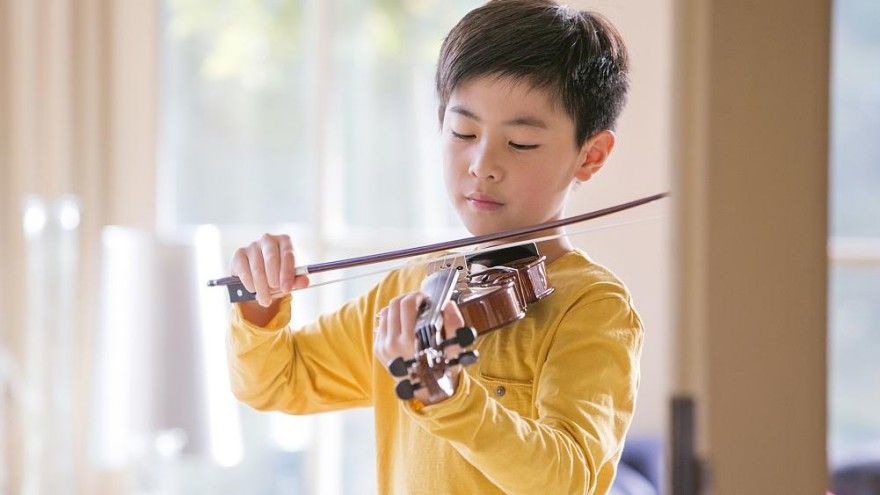
Three worthwhile sites for learning photography!
Photography learning websites hold a profound significance in nurturing photographers' skills and fostering a vibrant community of creative enthusiasts. These digital platforms offer an accessible treasure trove of tutorials, courses, and resources that cater to aspiring photographers, igniting their passion and guiding them toward mastery.Photography learning websites democratize education, erasing geographical barriers and financial constraints. Enthusiasts from diverse backgrounds can access comprehensive guidance on composition, lighting, editing, and specialized techniques, leveling the playing field and empowering anyone with a camera to refine their art. This accessibility fuels creativity, encouraging experimentation and pushing boundaries to capture moments in innovative ways.
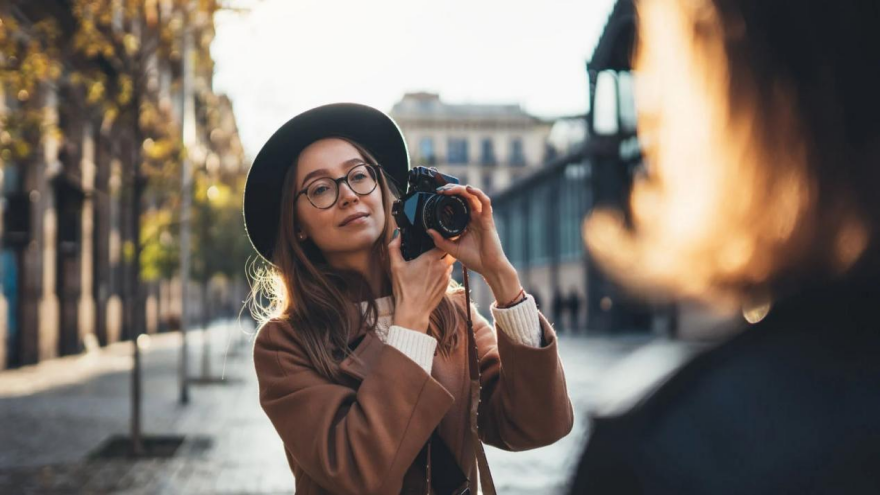
Furthermore, these websites create a virtual ecosystem of collaboration and mentorship. Photographers can share their work, engage in discussions, and receive constructive feedback from peers and professionals. This supportive environment cultivates a sense of belonging, inspiration, and accountability, propelling photographers to new heights of excellence. As a result, photography learning websites not only impart technical skills but also instill a sense of camaraderie that fuels continuous growth, fostering a global community of skilled visual storytellers.
 photographylife
The course embarks on a journey to demystify composition, beginning with core principles such as the rule of thirds, leading lines, balance, and framing. Participants gain a deep understanding of how these elements influence the visual impact and narrative of an image. By examining real-world examples and engaging in practical exercises, learners develop an eye for harmonious arrangements that elevate their photography to new heights.
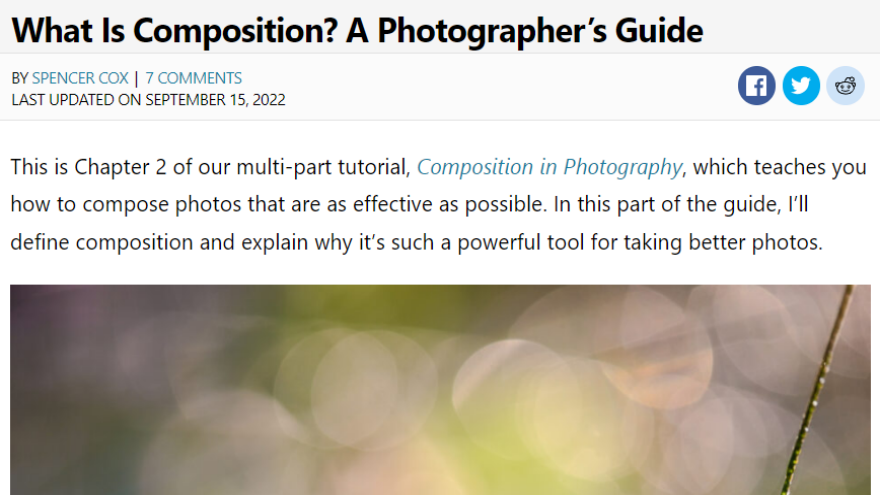
Moreover, the course delves into advanced composition techniques, shedding light on concepts like symmetry, patterns, and negative space. Photographers learn how to manipulate these elements to convey emotions, direct the viewer's gaze, and create captivating and memorable images. By exploring the interplay between visual elements, participants emerge with the ability to craft compelling compositions that resonate with viewers on both an aesthetic and emotional level. In conclusion, "What Is Composition? A Photographer's Guide to Photography" is an essential course that equips photographers with the tools to harness the power of composition for impactful storytelling. From fundamental principles to advanced techniques, this course empowers learners to transform everyday scenes into visually striking and meaningful photographs, ultimately enhancing their creative expression and leaving a lasting impression.
 Recommended for
- Photographers of all levels looking to grasp the essential principles and techniques of composition, including the rule of thirds, leading lines, and framing, to enhance the visual impact and storytelling prowess of their photographs.
- Individuals seeking to elevate their photography skills by exploring advanced composition concepts such as symmetry, patterns, and negative space, enabling them to create compelling and emotionally resonant images that captivate and engage viewers.
 photographylife
The "Autofocus Modes Explained" Photography course, available on the Photography Life website, provides a comprehensive and insightful exploration into the intricate world of autofocus modes in photography. This course is a valuable resource for photographers seeking to master the diverse autofocus options offered by modern cameras to achieve precise and consistent focus in various shooting scenarios.
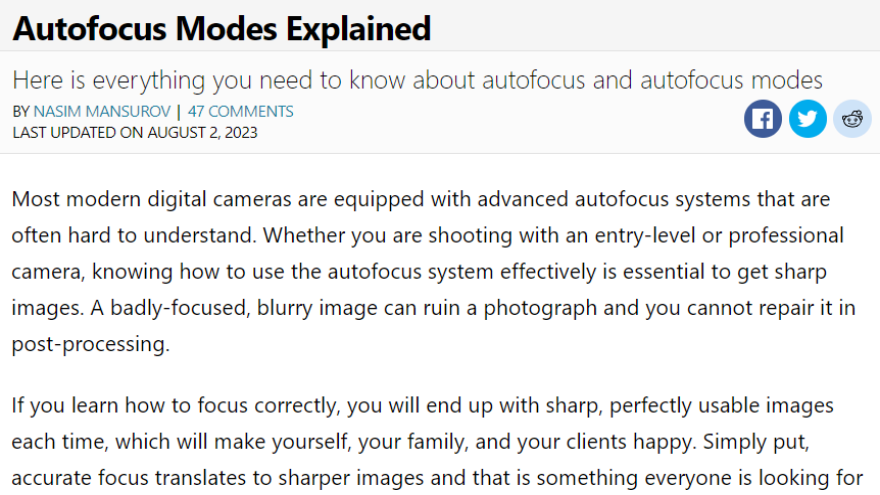
The course begins by demystifying the core autofocus modes, including Single Servo (AF-S), Continuous Servo (AF-C), and Automatic Servo (AF-A). Through clear explanations and visual examples, participants gain a solid understanding of how each mode operates, allowing them to select the most suitable mode based on subject movement and composition requirements.As the course unfolds, it delves deeper into the nuances of autofocus customization, equipping photographers with insights into area selection, tracking sensitivity, and focus points. Learners explore techniques to optimize autofocus settings for different genres, from portraits to action photography, ensuring they capture sharp and well-focused images consistently. By combining theoretical insights with practical exercises and real-world examples, the "Autofocus Modes Explained" Photography course empowers photographers to harness the full potential of autofocus technology. Whether one is a novice seeking to master focus control or an experienced photographer looking to fine-tune their skills, this course offers a comprehensive guide to unlocking sharpness and precision in their photographic endeavors.
Recommended for
- Photographers of all levels seeking a comprehensive understanding of autofocus modes, including Single Servo (AF-S), Continuous Servo (AF-C), and Automatic Servo (AF-A), to achieve precise focus control in various photographic scenarios.
- Enthusiasts looking to optimize their autofocus settings by exploring customization options, focus area selection, and tracking sensitivity adjustments, thereby enhancing their ability to capture sharp and well-focused images across diverse genres, from portraits to fast-paced action photography.
 photographylife
The course "What is Exposure Compensation and How to Use It" in photography, available on the Photography Life website, offers a comprehensive guide to mastering exposure compensation—a fundamental tool for achieving accurate and creative exposure in various lighting conditions. This course is a must for photographers seeking to fine-tune their images' brightness and capture scenes with precision and artistic flair.
Starting with the basics, the course demystifies exposure compensation, explaining its role in adjusting the camera's automatic exposure settings. Participants learn how to use exposure compensation to correct overexposed or underexposed images, ensuring accurate tonal representation and maintaining important details in highlights and shadows.As the course progresses, photographers delve into practical applications. Through detailed explanations and visual examples, participants grasp how exposure compensation can be creatively employed to achieve specific visual effects, such as deliberately overexposing to create a bright, airy mood or underexposing to enhance drama and contrast. By mastering this technique, photographers gain greater control over their images' tonal range and artistic interpretation. In conclusion, "What is Exposure Compensation and How to Use It" empowers photographers to manipulate exposure settings to their advantage, enabling them to capture scenes with precision and creative intent. Whether adjusting for tricky lighting situations or infusing images with unique character, this course equips learners with a versatile tool to enhance their photographic storytelling.
Recommended for
- Photographers of all levels seeking a comprehensive understanding of exposure compensation and its practical applications to achieve accurate and creatively controlled exposures in varying lighting conditions.
- Enthusiasts looking to refine their technical proficiency by learning how to correct overexposed or underexposed images, while also exploring the creative potential of exposure compensation to enhance mood, contrast, and tonal range in their photographs.